
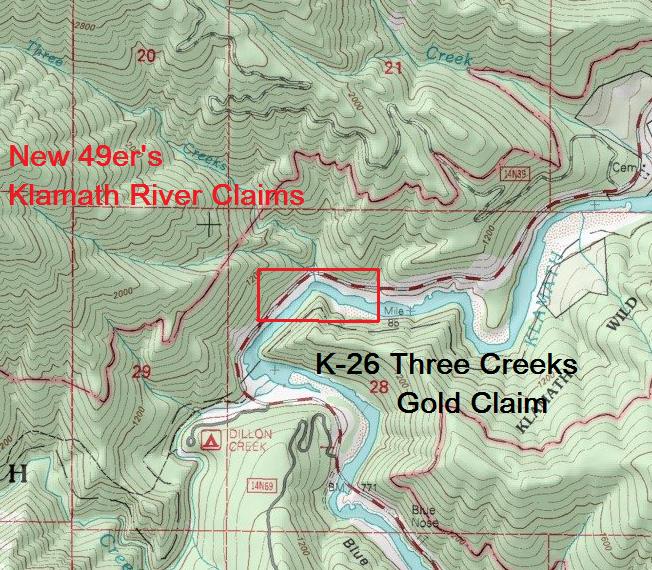
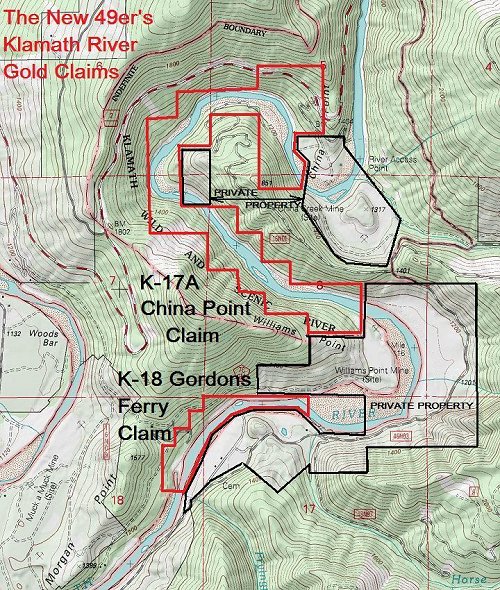
This has really been a good season for us along the Klamath River in northern California. While we have members scattered all over our extensive properties actively prospecting and mining, we have been doing our Weekend Group Mining Projects on an extensive virgin gold deposit that was discovered late last season on one of our newer properties, K23AA, about 7 miles downstream of Happy Camp.
K-23AA is an extensive mining property that reaches down and nearly touches our Wingate Claim (K-23A). Wingate is another popular and very large property that includes a US Forest Service river access (boat ramp into the river) and a rather extensive free camping area which includes toilet facilities.
We devoted all of last season’s Group Mining Projects to another high-banking area located up towards the upper end of K-23AA. Since that gold-rich discovery was on the far side of the river from Highway 96, we pulled one of our very large Colorado River Rafts out of storage and used it to transport project participants directly across the river to the worksite. A small outboard motor mounted on the raft made those boat transfers rather easy.
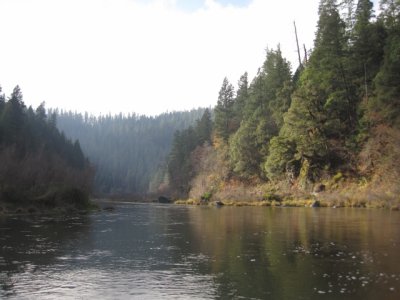
But this new much larger gold discovery about a mile downstream on K-23AA is a whole different story. It is located in a more remote reach of the river. While there is a good trail from the nearest easy boat crossing, we know there would be some project participants that would not be prepared to make the hike back and forth two days in a row.
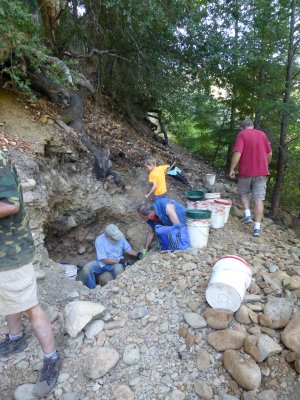
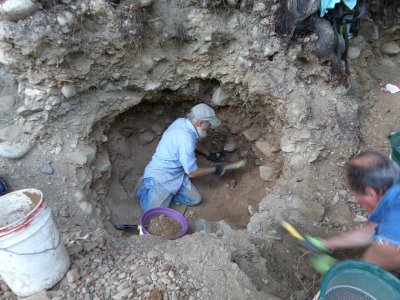
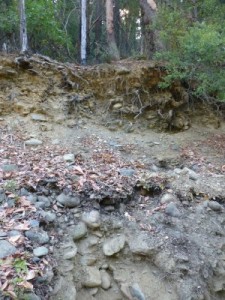
This is one of only two virgin gold deposits we have found up out of the water during the past 30 years!
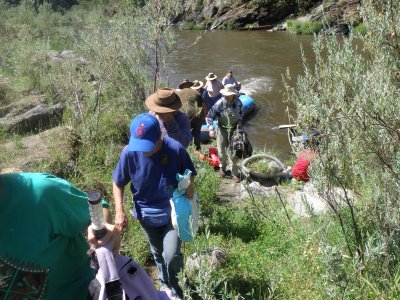
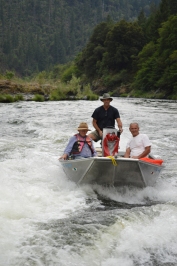
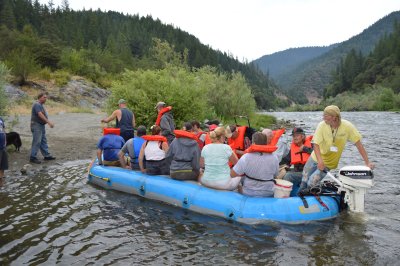
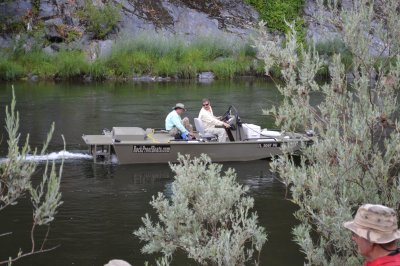
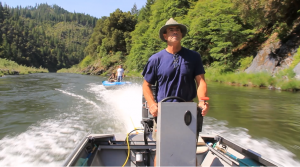
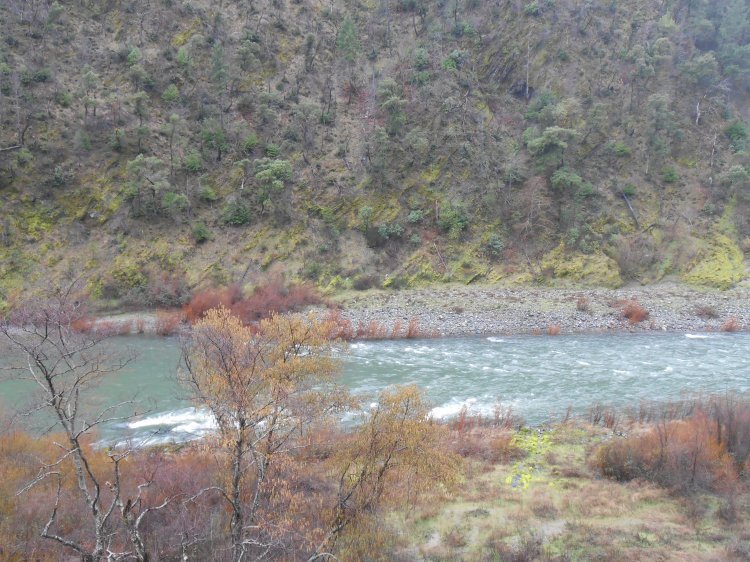
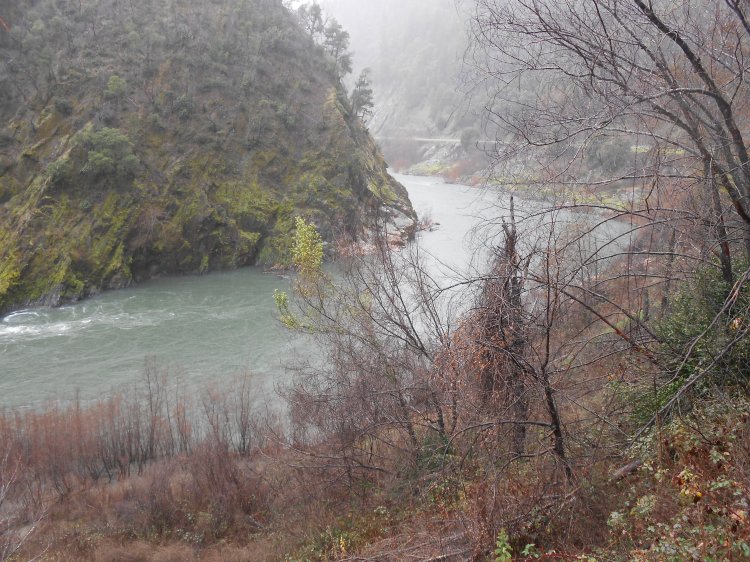
The gold deposit is quite rich; so there has never been any doubt that we are going to work it. The challenge has been in coming up with ways to deliver large numbers of participants to and from the worksite with the use of boats. Ultimately, through trial and error, we worked out a way to use my jet boat to tow the river raft, which was also making use of its own, smaller outboard engine. Participants parked their vehicles down at our Wingate property and then were carpooled about a mile upriver where they boarded the boats. Then we towed them about a half-mile downstream to the worksite through a pretty aggressive set of rapids. Then later in the day, we used the same boats to tow them about another half-mile downstream through another set of rapids to Wingate where they could offload near to where their cars were parked.
This is all something we have never attempted before with large numbers of people. But we knew at the beginning of the season that the new gold discovery is so rich, we had no alternative but to give it a try.
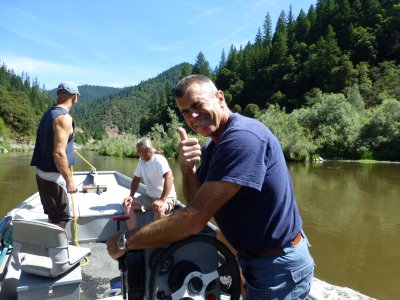
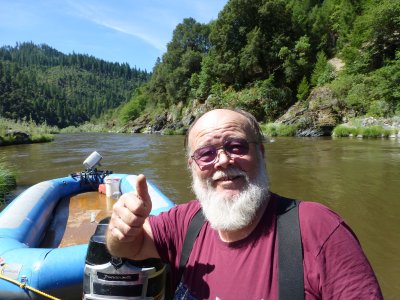
As it turns out, towing large groups of people downstream is the easy part. Not to mention that the boat adventures through the deep, remote canyon adds a white water rafting dimension to the already-exciting program of recovering your own gold. Our free Group Mining Projects provide the first mining experiences for many of our members. These Projects are one of the many exciting benefits of being a member of The New 49’ers.
The main challenge of using the boats has been in towing the large rubber raft back upstream through the rapids so that we can pick up more passengers. Even with twenty passengers at a time, it has been taking 4 to 5 trips each time we move the participants.
During our first attempts, we were mostly flooding the raft with water from standing waves in the rapids that would wash right over the front and swamp the raft. We finally worked it out with my jet boat on the first project; but repeated trips upstream put so much wear and tear on my jet boat that we almost didn’t make it up the rapids for the final two voyages. That would have left about 40 participants stranded on the far side of the river – which would have been rather embarrassing.
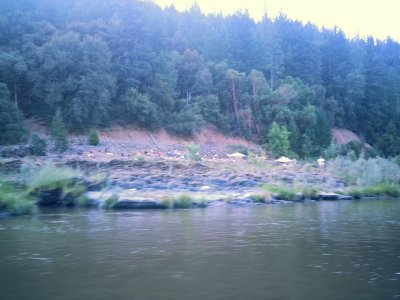
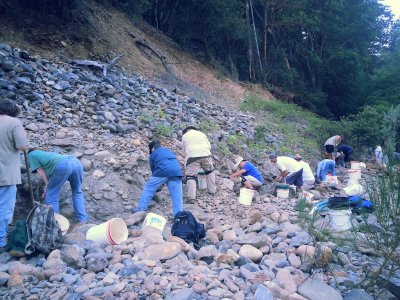
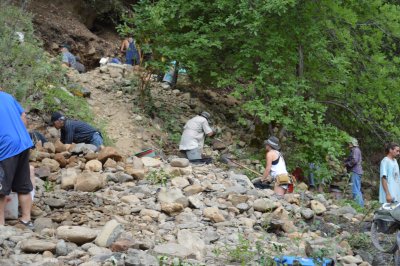
Here is just a glimpse of how extensive this deposit is!
One of our newer members, Dan Baker, arrived this summer with one of the best jet boats I have ever seen for maneuvering the Klamath River. His boat has about twice as much power as mine. Dan volunteered his boat during our second Group Project to tow the raft back up through the rapids. Making this happen also required some trial and error, because the Klamath River had dropped due to the ongoing drought. While you would think that less water would make the river run slower, it actually makes the rapids steeper and faster. Last month’s newsletter shares some of the fun we had while trying to work that out – which we ultimately accomplished.
But Dan needed to attend to some family business, so his boat was not available for this most recent project. Fortunately, several days before, Siskiyou County was slammed with a cloud burst of rain – which brought the river level back up a little and turned it brown. You will see the darker-colored water in some of these images and video sequences.
Even still, we were pretty sure that my jet boat was not going to handle the load. So a bunch of our loyal Project helpers and I were down on K-23AA a few days before this project with it in mind that we were going to need to transport all of our project mining equipment upstream to a point closer to the river access. That was going to be a lot of work! It also was going to require us to make a whole new gold discovery further upstream. We were pretty confident about making that happen; but it is very painful to withdraw from an already-established rich gold deposit!
Just on a chance, before starting to move gear, we decided to try different ideas of attaching the raft to my jet boat to see if we could tow it up through rapids without flooding it with water. Our first attempt involved lifting the bow of the raft all the way up on top of the jet boat’s outboard engine and try towing it. This technique worked pretty well until the raft slid off the side of the outboard and prevented me from steering the jet boat. Here was my explanation on video as we were just beginning the exercise:
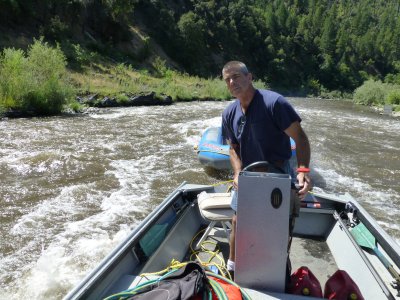
 Our second attempt involved tying the raft as close to my jet boat as possible and allow the raft to ride on the jet blast from, my motor. This worked best once we removed all passengers from the raft. Once we had that worked out, we made two flawless passes both up and down the river and came to the fortunate conclusion that we were going to be able to do the weekend project once again in our already-established high-grade pay-streak. Our joy and relief is reflected in the following video sequences:
We had 85+ enthusiastic participants signed up for this project. That’s an all-time record for the third project of the season. We sure have a lot of interest this summer; there are plenty of new faces around!
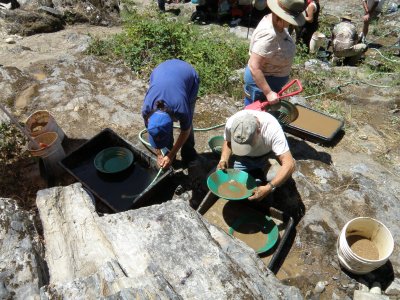
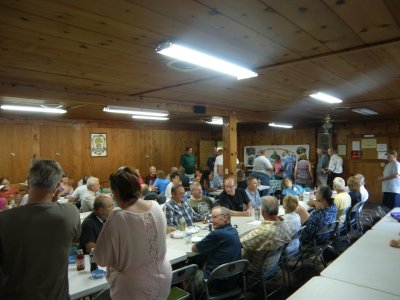
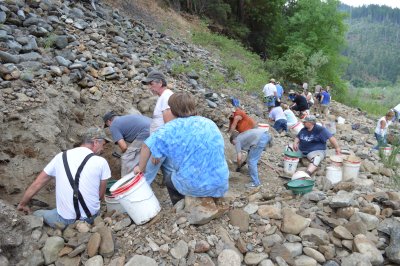
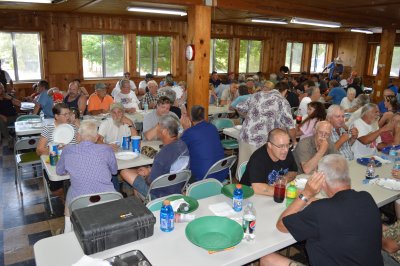
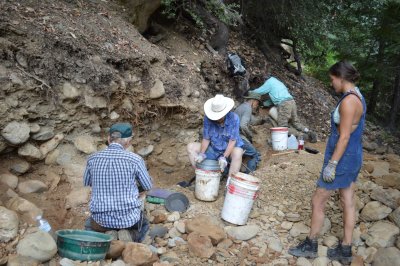
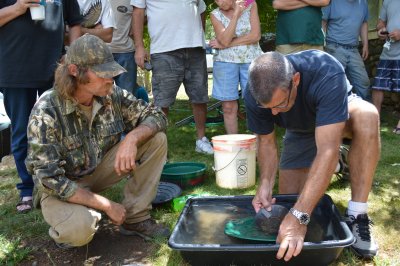
Saturday morning is always devoted to some classroom theory and organization. We do this over at the Happy Camp Grange Hall. After lunch, we all parked our vehicles down on the Wingate property. Two car pools had already been organized to immediately transfer people a mile upriver where the boats were waiting. It took four trips to get everyone down to the worksite. A dozen or so of our most experienced members were already set up at the site to teach beginners how to gold pan. Teaching people how to pan is really the main objective on Saturday. Gold panning is the essential beginning of the prospecting learning curve.
 Participants get to keep all the gold they find on Saturday; so there was no holding back this enthusiastic bunch of prospectors. I saw several nice gold nuggets recovered off the bedrock. People were pretty jacked up even though it must have been 100 degrees out in the sun.
We normally don’t keep people out there very long on Saturday afternoon. This is because we want them at their best on early Sunday morning when we pull together to recover as much gold as we can in several hours of hard work.
Saturday night potluck was a full house, as usual. There was lots and lots of great food to go around. The roar of exciting chatter was like something you would experience at a sporting event. After a short meeting, we sent everyone home early.
There was already a line of eager participants ready to board the boats when I arrived at 6:15 on Sunday morning. We made short work of ferrying everyone down to the worksite. Here is some video that captured the action (including some from our new video drone):
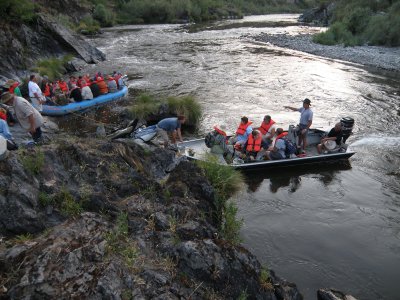
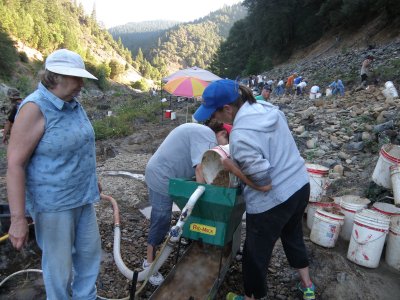
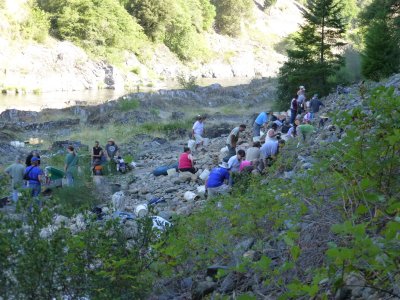
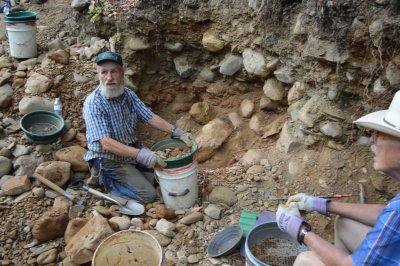
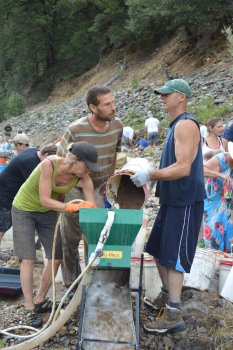
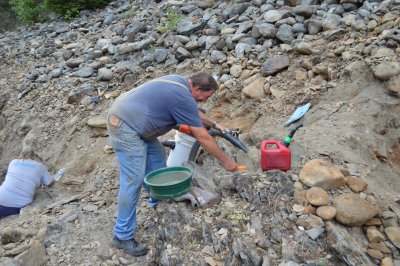
By the time we secured the boats alongside the river, our experienced team leaders already had the whole crew, somewhere around 80 people, dialed in like a well-oiled production machine. They were supplying two high-banker recovery systems as fast as the material could be effectively processed. A lot of the action was caught on video. I apologize for the vibration in the drone footage. The machine got bumped while being moved. But we still think the values in the video are worth showing enough that we will now order a video drone that is more durable:
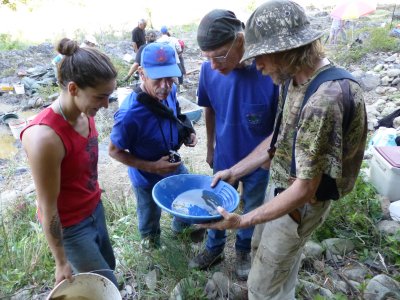
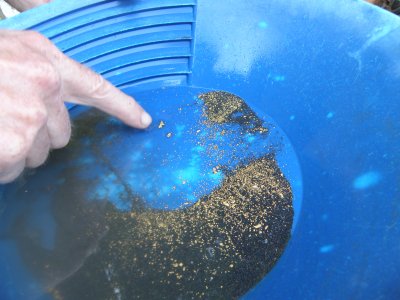
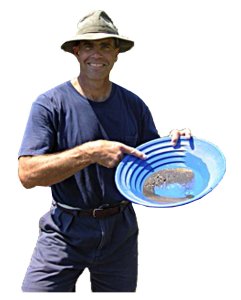
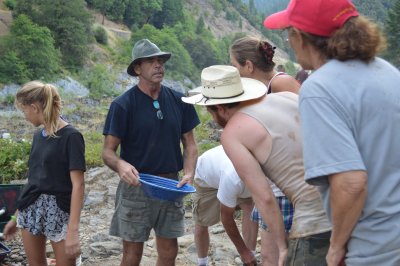
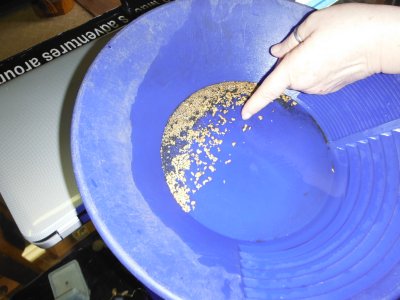
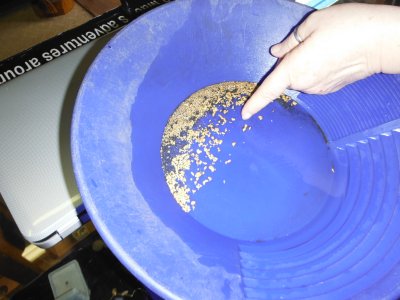
Craig Colt showing off some mid-day gold.
One of the important benefits to this location is that the sun does not come over the trees until about noon. With the early morning coolness, we usually get in between 3 and 4 hours of good production before people start slowing down. After about 2 hours, we usually clean up just part of one of the recovery systems and show the gold around. This always pushes the level of enthusiasm up. We were doing particularly well on this day. The truth is that these projects are just plain fun! In fact, the human production machine was so tuned in that I captured our management team just goofing off:
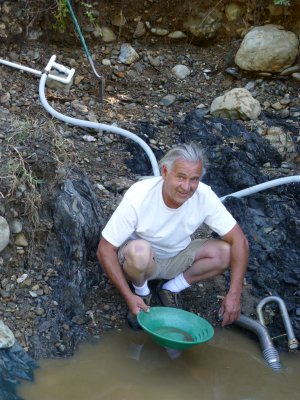
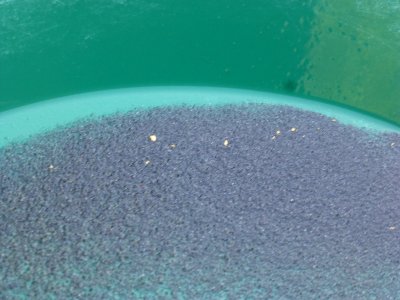
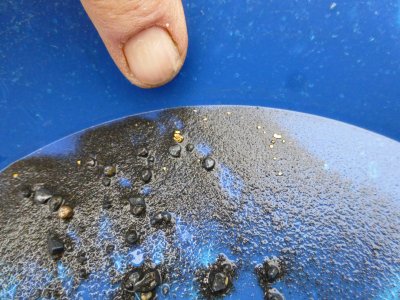
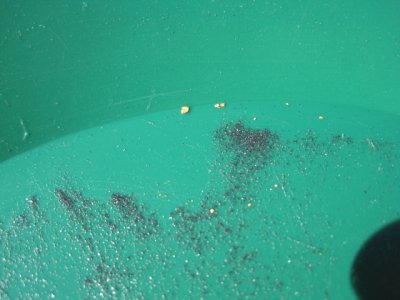
Both John’s and Craig’s sample pans were showing good results!
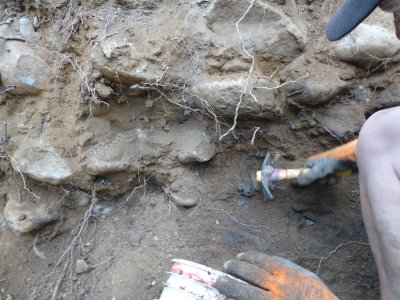
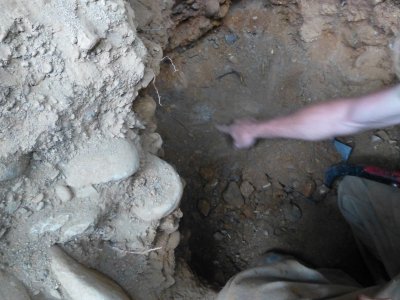
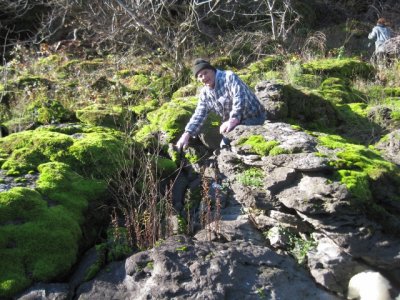
Actually, both Craig Colt and John Rose had been actively sampling the pay-dirt, and directing people to dig in the more productive areas which are mostly just above bedrock in the orange-colored hard-pack. I saw Dyton doing quite a lot of physical labor up at ground zero where the original gold strike was made. Much to the dismay of onlookers, he hefted a 200-pound rock out of the excavation without even breathing hard. Here was Dyton explaining the nature of this fantastic gold deposit we have discovered:
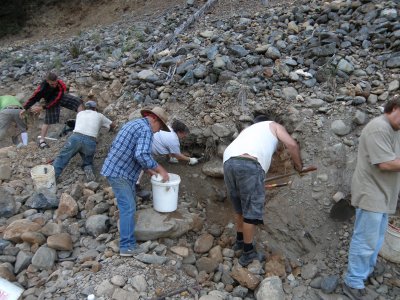
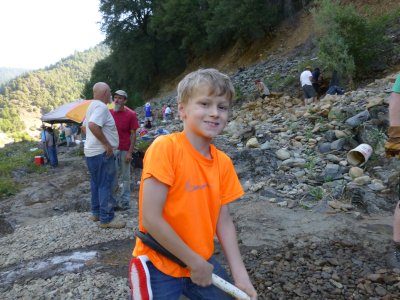
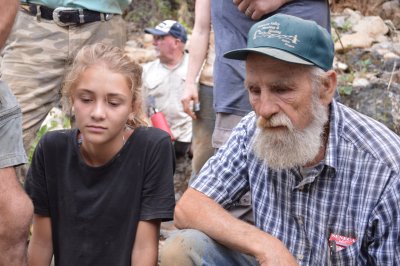
We don’t push people too hard on these projects. We figure people will invest as much physical work as they have to give. We especially like to get younger people involved. As long as they work, every participant is rewarded with an equal share of the gold. As we all know, the years go by fast, and it’s today’s children who will be running tomorrow’s show. Here is a conversation I had with one of our future leaders:
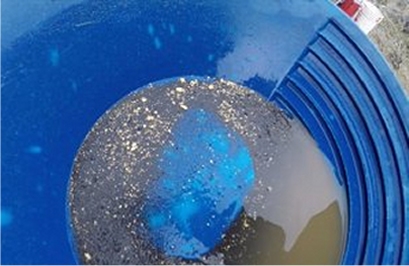
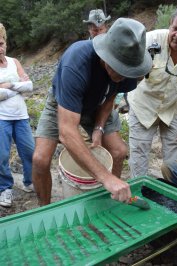
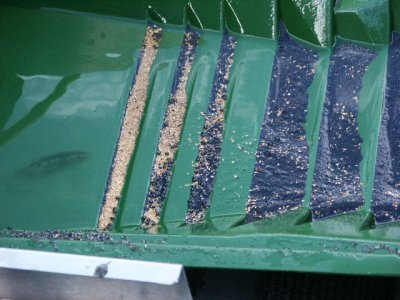
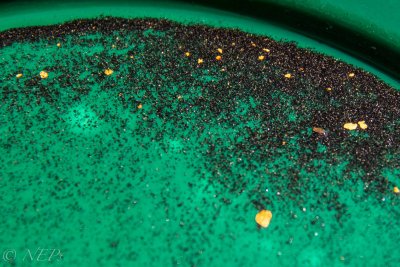
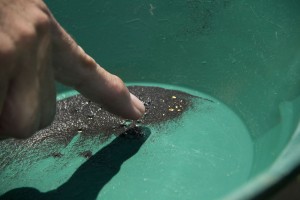
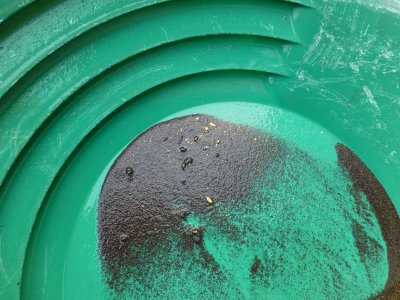
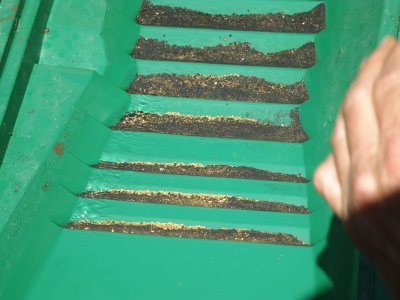 Sometime around 11 am, we shut everything down, put the gear away, leveled off our tailings piles to reclaim the visible disturbances we made; and then we did a preliminary cleanup out there on the gravel bar. By this, I mean that we ran the concentrated material from both high-banker recovery systems over our green Le Trap sluice. This was just the first of several steps we would do to separate all the gold from the other heavy material we had collected, mostly black iron sand. There were lots of “Ooh’s and Ah’s” as I fed the material into the Le Trap. It was clear that we were going to have a good day! Check it out right here on video:
After a final, exciting boat trip down to Wingate, we all agreed to meet back up at the Grange Hall in Happy Camp at 2 pm to finish the cleanup and split the gold. This involves several steps in which participants are able to watch and help.
As far as I am aware, our Weekend Group Projects are the only program in America, perhaps in the world, where we demonstrate and allow people to actively participate in a successful gold mining program from A-to-Z, from sampling, to discovery, to production, to cleanup – and actually receive an equal share of the gold.
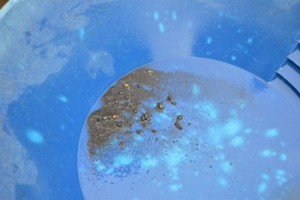
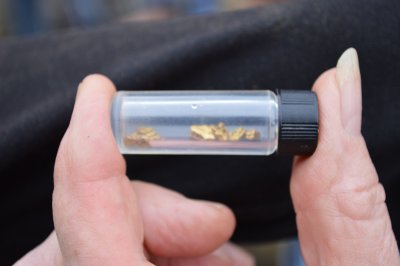
In all, we recovered exactly three-quarters of an ounce of beautiful virgin gold. There were 16 gold nuggets. This was all split between 71 very happy participants who stuck with us until the very end.
Join us for our remaining Weekend Group Mining Projects this Season!
There is a learning curve to successful gold prospecting. One of the most effective methods of progressing through the learning curve is to go on prospecting adventures with others who are more experienced than you.
Our 2-day Group Mining Projects are one of the primary benefits of New 49’er membership which set us apart from other mining associations. All weekend events are free to Full & Associate Members.
Remaining schedule of 2015 Events: August 8 & 9; and August 29 & 30.
Let’s Not Rule out the Last Part of our 2015 Dredging Season Just Yet!
We have switched gears into appealing San Bernardino’s recent Ruling to deny any meaningful relief to suction dredgers even after the court has Ruled and Ordered that California’s suction dredge moratorium is unconstitutional — which State authorities continue to enforce (by seizing dredging equipment they find on the river).
As you may recall, our initial Motion for a Statewide Injunction to prohibit California from enforcing the unconstitutional moratorium and return us to the earlier set of regulations that were legal was recently denied by the Superior Court of San Bernardino. We believe that Ruling was flawed, and have filed an appeal with California’s Forth Appellate Court to get our motion approved. There is a legal provision in California which requires appeals of denied injunctions to be expedited when ongoing circumstances are causing irreparable harm to people who are 70 years or older. A bunch of our 70+ year old members have come forward with Declarations in support of this appeal.
You can find the Appeal, along with supporting Declarations, at the bottom of this page.
Our Appeal with the Forth Appellate Court is being filed as we go to press with this newsletter. You can watch for links to the material either on our Internet Forum, or on the legal page we have specifically set up on our web site to keep you guys informed.
The previous set of legal suction dredge regulations (2009) allowed year-round suction dredging on the Klamath and multiple other rivers in California. So there is still reason for hope. In my own experience, the best time to dredge the Klamath River is during the fall when the water is most clear and low…
Let’s not give up yet on 2015!
Meanwhile, just in case you do not know, this ongoing conflict with California only affects motorized suction mining within 100 yards of California’s active waterways. It does not have anything to do with the other types of prospecting or mining that we do in California. Unaffected prospecting activities include panning, sniping & vack-mining, sluicing & high-banking, electronic prospecting and other types of prospecting that do not use a suction nozzle within 100 yards of an active stream, river or creek. It also does not affect our Group Weekend Projects.
To continue prospecting the bottom of active waterways, some members have converted to underwater crevicing, using the hookah and pump from their 5 and 6 HP motors on floating platforms to provide air for breathing and a jet of water to help move material out of the way, thus coining the new method as “underwater blow mining.”
There are no seasons imposed upon these other types of mining activity. In other words, you can do them at any time of the year.
New Legal Fund-Raiser!
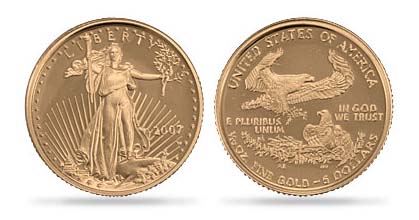
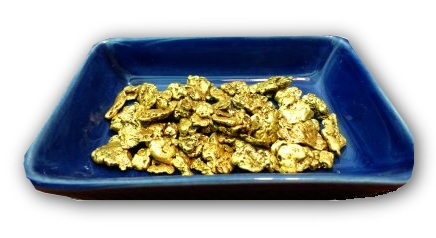 The new drawing will be for two ounces of beautiful gold nuggets. Those will be split into a 1-once grand prize and four quarter-ounce prizes. There will also be 10 tenth-ounce American Gold Eagles and 10 American Silver Eagles. That’s 25 prizes worth winning!
The drawing will take place at the close of business at our headquarters in Happy Camp on Friday, 30 October. You do not need to be a member of our organization to participate. You are welcome to be at the drawing, but you do not need to be present to win.
Our office will automatically generate a ticket in your name for every $10 legal contribution we receive ($100 will generate 10 tickets). There is no limit to the size or frequency of your contributions, or to the number of prizes you can win. Look for our new Paypal contribution link here.
Remember, all contributions to The New 49’ers Legal Fund are tax deductible.
Once again; thank you guys very much for standing behind us!
Fire Restrictions
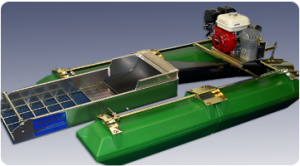
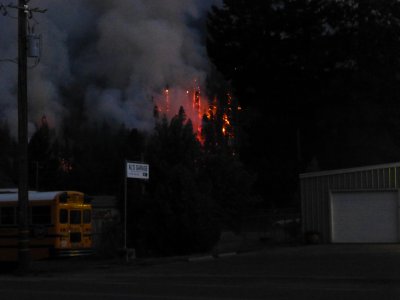
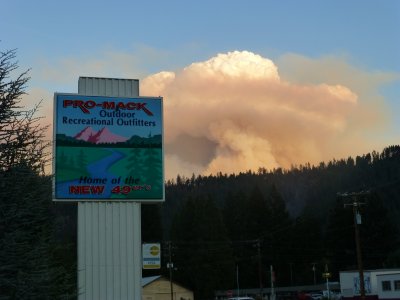
Because of exceptionally dry conditions, the U.S. Forest Service has imposed fire restrictions in the Klamath National Forest as of last week. This means internal combustion engines (like water pumps) cannot be operated on our mining properties unless you are floating them out on the waterway. Since the fire restrictions are likely to continue for the remaining part of this season, you might give some thought to how you can rig up something to float your motor(s). In case you are interested, there are special floats made specifically for this purpose. Please contact Montine for more details: 530 493-2062. You can find out more about what is and is not allowed under these restrictions right here:
Sign up for the Free Internet Version of this Newsletter
We strongly encourage you to sign up for the free on line version of this newsletter. The Internet version is better. This is because you can immediately click directly to many of the subjects which we discuss; because the on line version is in full color; because we link you directly to locations through GPS and Google Earth technology; and because you can watch the free video segments which we incorporate into our stories. Actually, the video segments show the adventures better than I can write them!
Signing up also places you on our Political Action Team. Things happen so fast these days; it takes too long to organize political action through the U.S. mail. As an example, by contacting our supporters this way, in a matter of hours, we recently generated a large bundle of letters to the California Supreme Court. All of these future battles will be organized over the Internet since it is so much faster. Please join us in the battle to maintain our remaining freedoms!
Sign up for our Free Internet Newsletter!
Note: You are free to unsubscribe anytime just by clicking a link if you decide to do so.
The New 49’ers Prospecting Association, 27 Davis Road, Happy Camp, California 96039 (530) 493-2012 www.goldgold.com

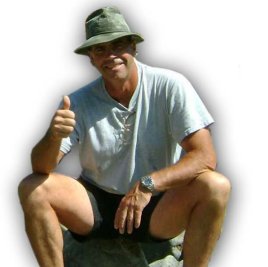
 This gold deposit is too rich to abandon!
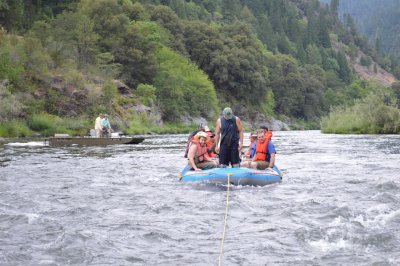 The interesting thing about the Klamath is that when the water drops, the rapids get steeper, shallower and faster, and the waves get taller. So while the slower sections of river get easier to traverse, the faster sections get more difficult as the water drops. Fortunately, and to my great relief, we discovered on the first trial run that we were going to be able to use my jet boat, once again towing the large raft, to move people to and from the worksite, just like we did during the earlier project. The ride through the rapids was going to be faster with more splashes; but members were going to be alright with that in the hot weather.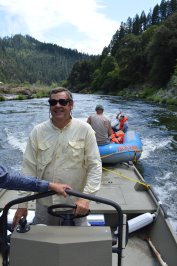
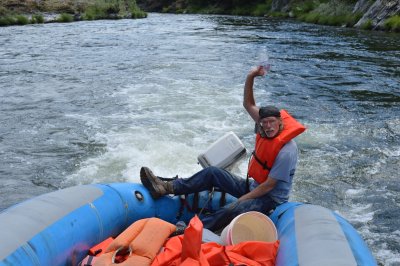
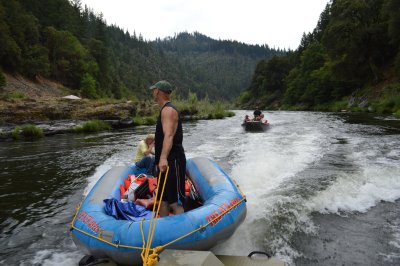 We did several trial runs up through the rapids just to make sure we could rely on the technique once we had a bunch of New 49’ers to move around on the river. The technique worked great, and we were all set for another weekend project on the river. Cool!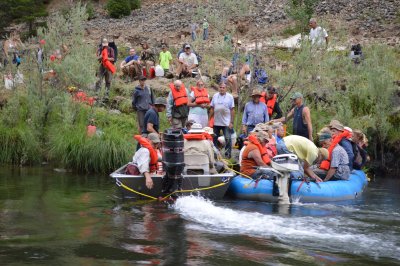
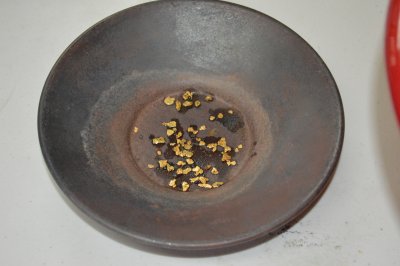
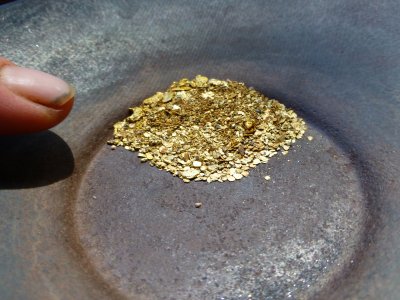
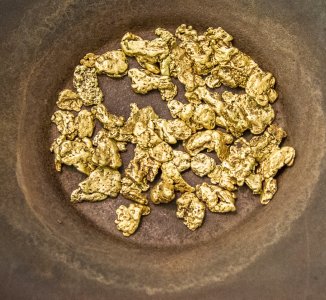 Any legal contributions which have arrived in our office after this drawing will automatically generate tickets for the next New 49’ers Legal Fund drawing. The new drawing will be for two ounces of beautiful gold nuggets (image above). Those will be split into a 1-once grand prize and four quarter-ounce prizes. There will also be 10 tenth-ounce American Gold Eagles and 10 American Silver Eagles. That’s 25 prizes worth winning!
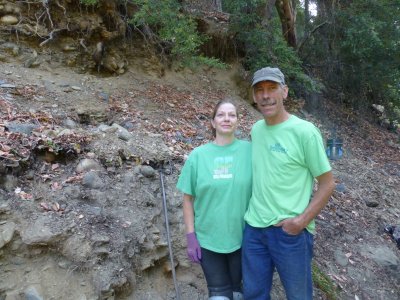
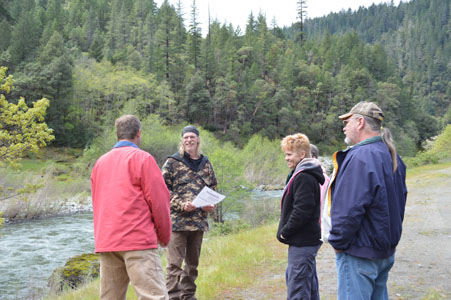
 As they took the time to show us what they had found, they also told us of their personal story; a story which could prompt you to ponder the larger mysteries of fate and hope that affect each of our personal destinies. It turned out that they actually did not intend to sample in this new location at all. Their vehicle had broken down alongside the highway. It was going to take a week for the parts to arrive. Since they were not going anywhere, Dave lowered his raft and prospecting gear down the embankment and decided to make the best use of his time prospecting on the far side of the river. He was rewarded with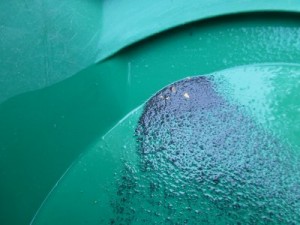
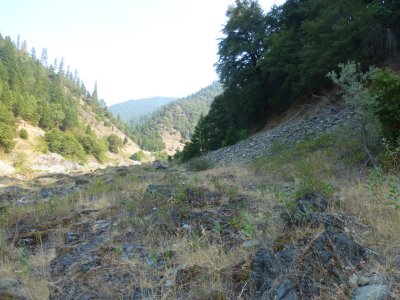
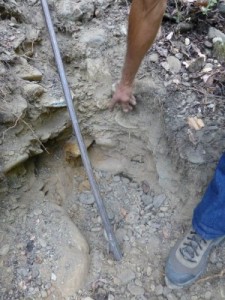 The problem is that this new discovery is in a rather difficult location to gain access with large numbers of people. There is plenty of parking and a rather easy trail from Highway 96 located about a quarter-mile upriver from the deposit. There is a set of rapids between the trail and this new discovery. So while we could transfer people down to the deposit with our large rubber raft, we were not going to be able to get the raft back up through the rapids using its own small outboard motor, even without passengers. There is a trail on the far side of the river. But it’s a long way to walk at the end of a hard day of mining. Anyone who has participated in these projects will tell you that we work pretty hard on Sunday morning, especially when we see how the gold is adding up! So walking out of there is not a great option.
 Afterwards, we realized that with a little creative carpooling at the beginning of the day, we can park most of the vehicles down at the Wingate River Access and ferry people downstream from the work site at the end of our day. That will make the process go faster.
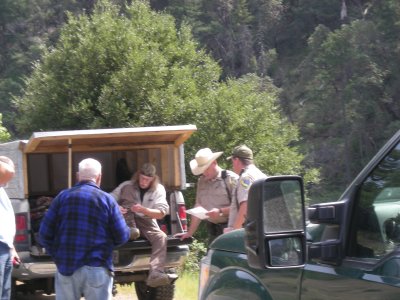
 John: Our office manager, Tony Balderrama, is a dedicated amateur radio operator. He uses the New 49’er radio system to regularly monitor all of the Siskiyou County emergency frequencies. This is because we have so many active members, if there is ever an emergency; we are more likely to find out about it faster over the emergency channels. Later, when I returned to the office, Tony told me he that he took notes of the entire exchange between the warden and his dispatcher. The conversation began at 2:10 pm. “The subject is requesting to be arrested,” said the warden. At 2:20, the dispatcher answered “The Watch Commander says that’s a negative on making an arrest or issuing a citation.”
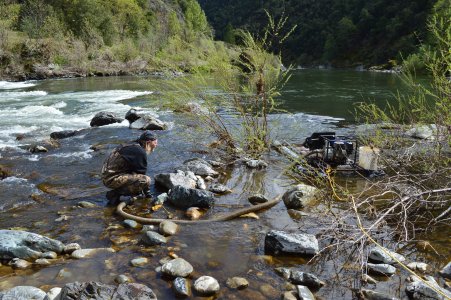
  Derek’s nozzle and hose were gone. True to his convictions, Derek returned with another hose and nozzle and is now back out on the river continuing his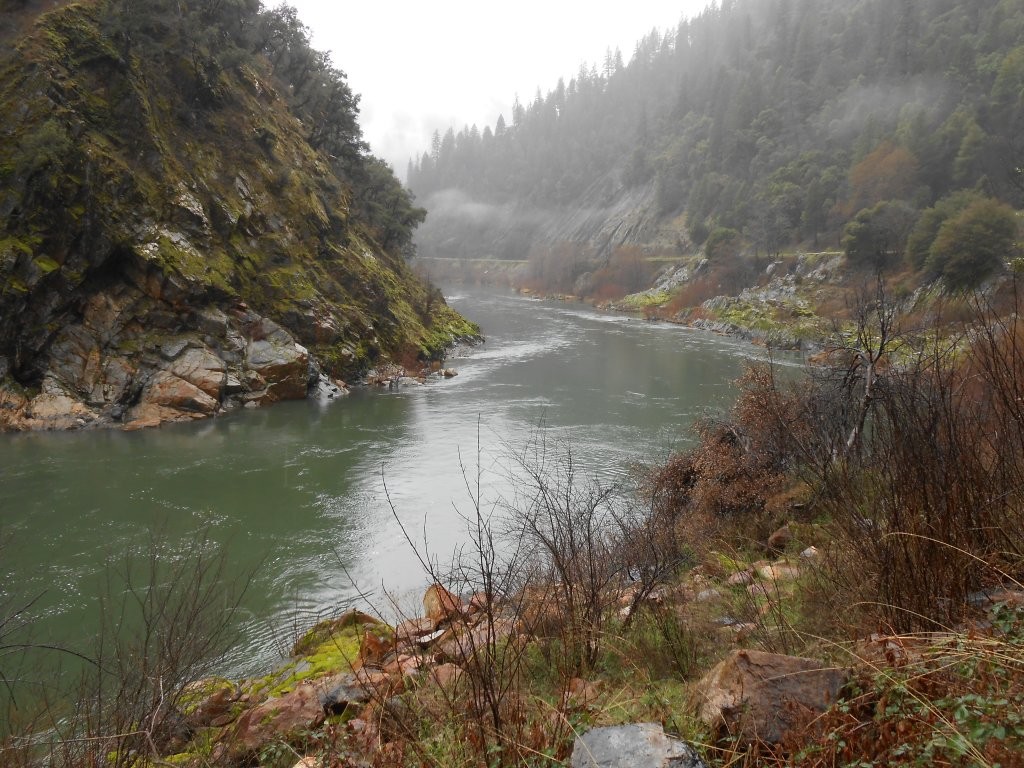

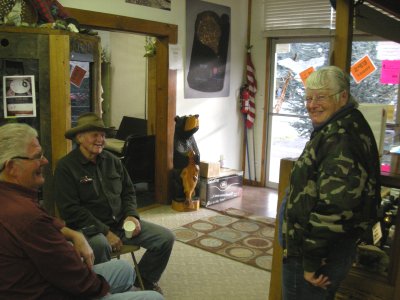
 For those who have not heard, I am saddened to announce that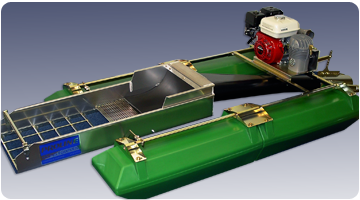
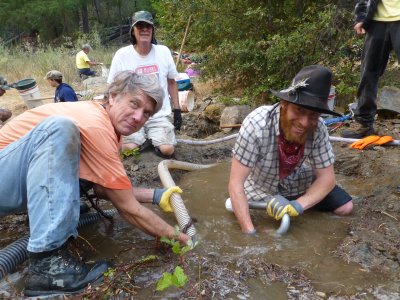
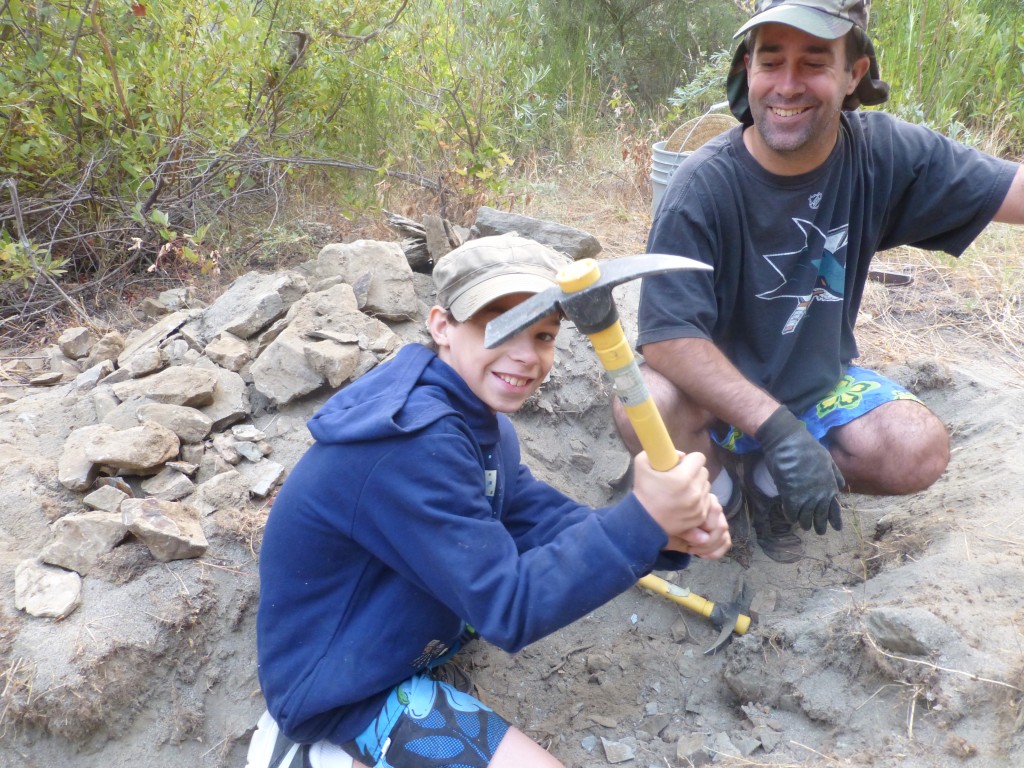
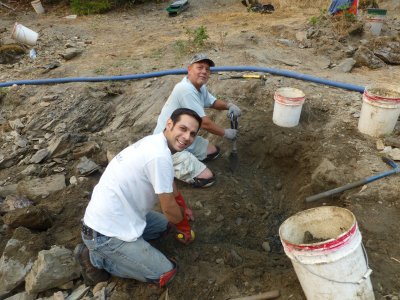
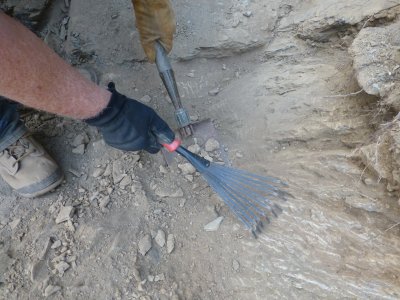
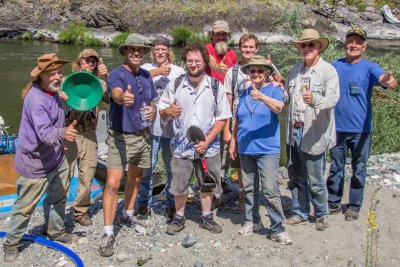
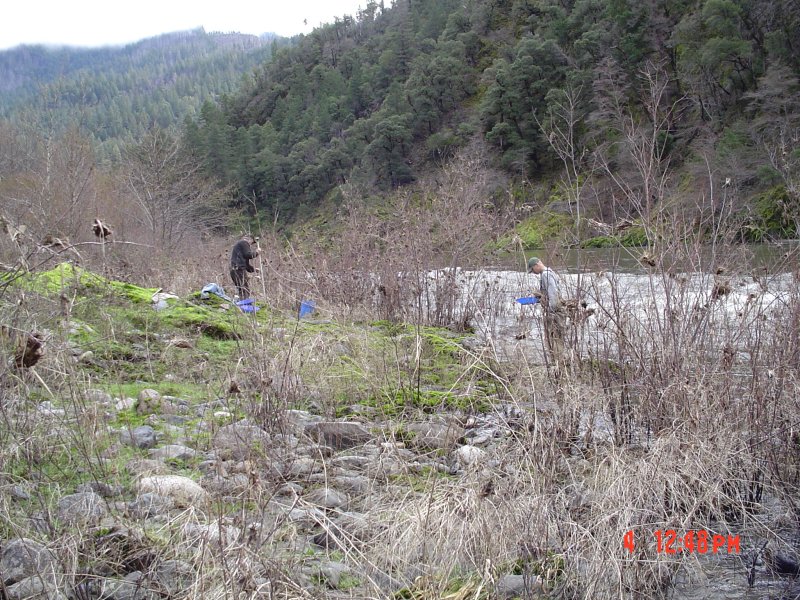
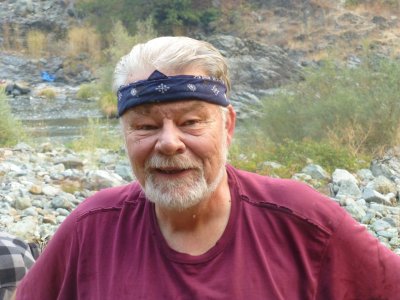
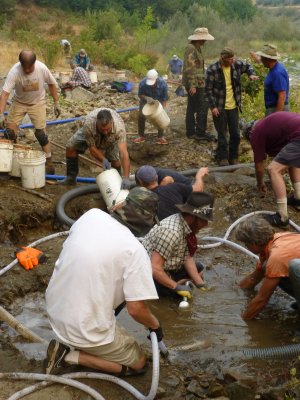 The video and images in this story are from our final weekend event of last season. There were 53 enthusiastic participants, including our normal helpers, along with longtime members, Diane Phillips, Jim Yerby, Bob Sonnenburg and Gary & Sheri Standefer. Both Jim and Bob have been big supporters of our program for many years. Gary and I have a long history dating back to our time together in the Navy SEALs.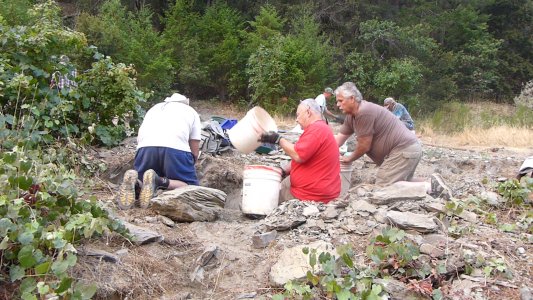
 Free Video:
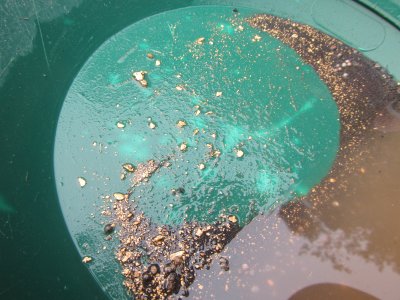
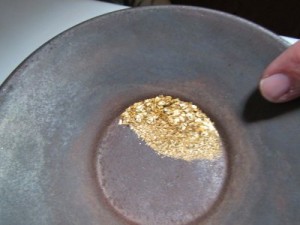
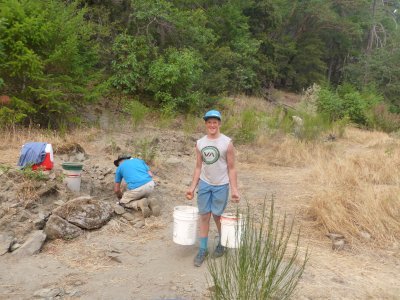 At mid-day, Ray Derrek and Rich Krimm processed a sample of material out of just one of the recovery systems so we could see how we were doing. It is a long tradition of ours to perform a mid-day clean-up so we can show everyone the fruits of their labor. This bunch was already so jacked up, they didn’t need any motivation. There were lots of expressions of delight as Rich took the pan of gold around for everyone to see. Most everyone out there just paused for a quick look and then went back to work filling buckets with the orange pay-dirt and the decomposing bedrock. Here is a firsthand look at what they were doing: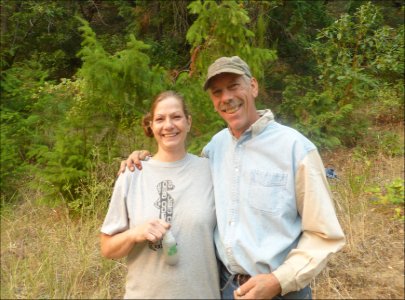
 Normally, the heat kills us off by mid-day during our projects in August. But the
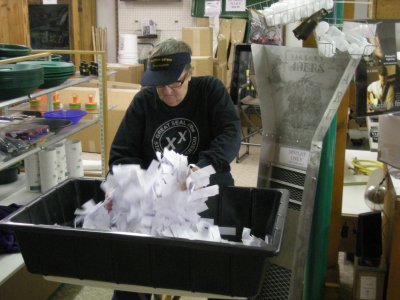
 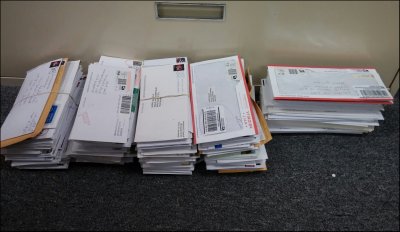 Frankly, I didn’t have much hope that a letter writing campaign on such short notice, requiring overnight express mailing, was going to have much of an impact. But that was a gross underestimation on my part. Here is an image of a stack of copied letters that James Buchal proudly sent me even before the deadline was reached! And here is a portion of an email I received a few days ago from one of our very supportive members. This says it all:
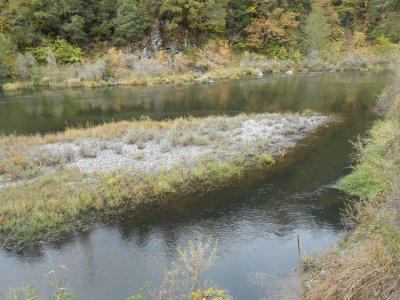
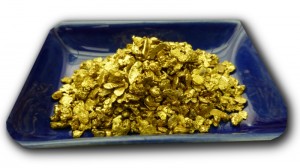
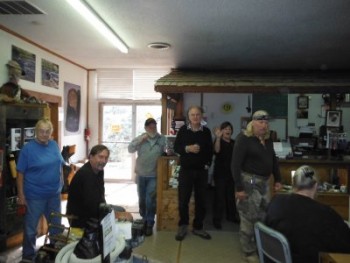 The New 49’ers Legal Fund drew
 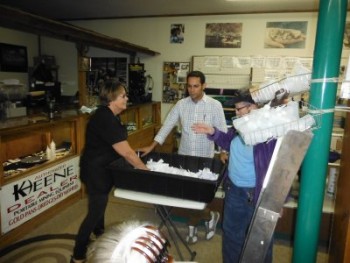 Congratulations to all the winners! If things keep going our way for a while longer, we are all going to win the big prize of being free to get